
What to Expect During a Boiler Replacement in New Hampshire
If you’ve been told your boiler needs to be replaced, it’s normal to wonder: What actually happens during a boiler replacement? Most homeowners go through this process once, maybe twice, so there’s a lot of uncertainty around timing, disruption, and what decisions need to be made.
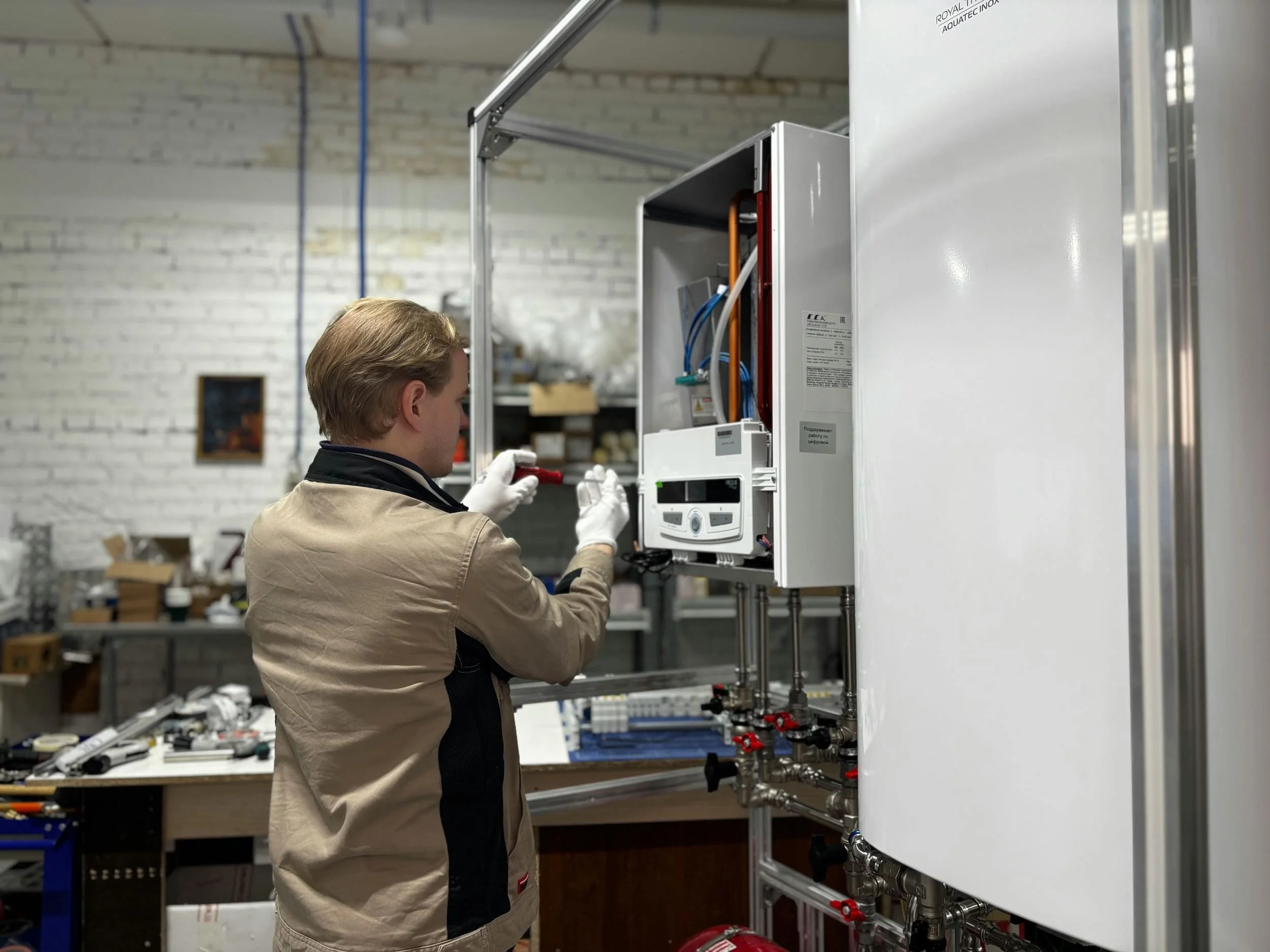
TL;DR
A boiler replacement usually takes one to a few days, depending on the system.
The process includes removing the old boiler, installing the new system, and making sure everything is set up correctly.
The most important part is not just the equipment, but how the system is designed and installed.
Before the Boiler Replacement Work Begins
Before any equipment is removed, there should be a clear understanding of:
What system is being installed
How it will connect to your existing piping
Whether any upgrades or adjustments are needed
This is also the time to talk through options. Not every home needs the same setup, and the goal should be to match the system to how your home actually heats.
A good plan upfront makes the rest of the process smoother.
Removing the Old Boiler
The first step on installation day is removing the existing boiler.
This typically involves disconnecting the old unit from piping, gas or oil supply and venting. Older systems can be heavier and more involved to remove, especially in tight basement spaces, but this is a standard part of the process.
Installing the New System
Once the old boiler is out, the new system is installed. This is where the quality of the work really matters. It’s not just about placing a new boiler. It’s about:
Connecting piping properly
Ensuring correct flow and circulation
Setting up controls so the system runs efficiently
Making sure venting and safety components are correct
A well installed system should be designed to work with your home, not just replace what was there before.
System Setup and Testing
After installation, the system needs to be filled, tested, and adjusted.
This step is often overlooked, but it’s critical. The system should be checked for proper operation, balanced heat distribution and correct pressure and temperature settings. Small adjustments at this stage can make a big difference in how the system performs over time.
How Long Does It Take?
Most boiler replacements are completed within one to a few days.
The timeline depends on:
The type of system
The condition of existing piping
Whether any upgrades are being made
More complex systems or older homes may take a little longer, but the goal is always to complete the work efficiently without rushing the details.
What You Can Expect as a Homeowner
During the process, your heat may be temporarily off, so timing matters, especially in colder months. Aside from that, most of the work is contained to the mechanical area, usually a basement or utility space.
You should expect:
Clear communication throughout the process
A system that is cleaned up and organized when finished
An explanation of how the new system works
It’s Not Just About Replacing the Boiler
A boiler replacement is an opportunity to improve how your system performs. That might mean better efficiency, more even heat, or a quieter system overall.
But those results depend on how the system is installed and set up, not just the equipment itself.
Need Help with a Boiler Replacement?
If you’ve been told your boiler needs to be replaced or you’re planning ahead, it helps to have a clear understanding of your options.
At Cochecho Plumbing and Hydronic Heating, we focus on thoughtful installation and long term performance. Call or text 603-742-9425 or request an evaluation through the website.