
What Is Hydronic Heating? A Simple Guide for NH Homeowners
If you’ve heard the term “hydronic heating” and aren’t quite sure what it means, you’re not alone. Many homeowners have hydronic systems and don’t realize it, while others are considering it for a renovation or new build and want to understand how it works.
TL;DR
Hydronic heating uses hot water instead of air to heat your home.
That heat is delivered through radiators, baseboards, or radiant floors, creating quiet, even, and comfortable heat.
It’s one of the most efficient and comfortable ways to heat a home, especially in New England.
How Hydronic Heating Works
At its core, hydronic heating is a simple concept.
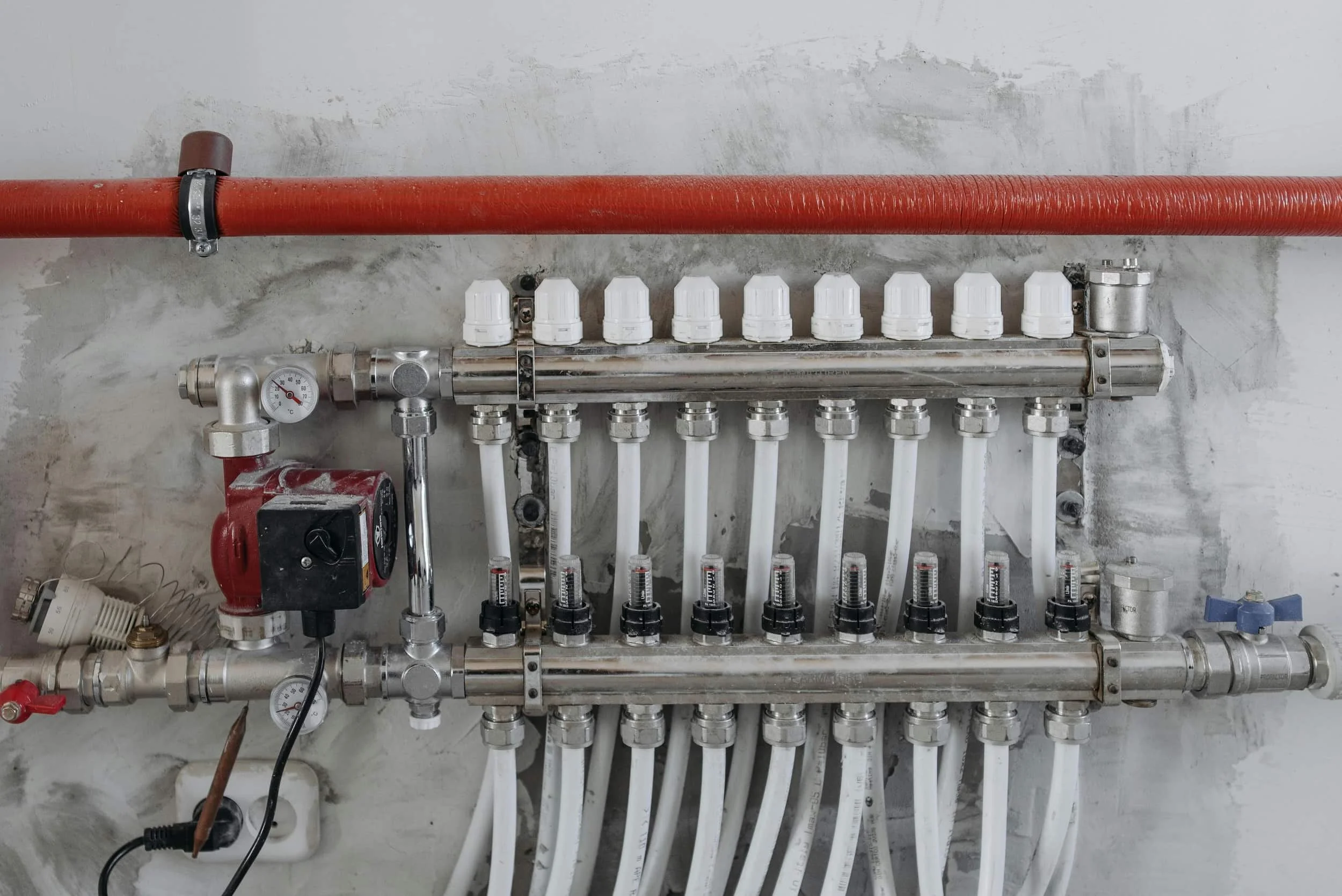
A boiler heats water and sends it through a system of pipes. That heated water travels to different parts of your home, where it gives off heat through radiators, baseboards, or tubing in the floor.
Once the water cools down, it returns to the boiler to be heated again.
Unlike forced air systems, there’s no blowing air, no ductwork, and no sudden temperature swings.
Where You’ll See Hydronic Systems
Hydronic heating shows up in a few different ways, depending on the home.
In older homes, you might see:
Cast iron radiators
Hot water baseboard heaters
In newer homes or renovations, you may see:
Radiant floor heating
Panel radiators
Combination systems that use multiple types of heat delivery
Each of these uses the same basic principle. Heated water moves through the system to provide consistent warmth.
Why Homeowners Choose Hydronic Heating
One of the biggest advantages of hydronic heating is comfort.
The heat tends to feel more even and steady. You don’t get the same hot and cold cycles that come with forced air systems.
It’s also quiet. There are no fans turning on and off, and no air moving through ducts.
Hydronic systems can also be very efficient when designed and set up properly, especially with modern boilers.
Where Things Can Go Wrong
Like any heating system, hydronic systems need to be set up and maintained correctly.
When they aren’t, you may notice:
Uneven heating between rooms
Systems that run longer than they should
Cold spots or slow response times
In many cases, the issue isn’t the system itself. It’s how it was designed, installed, or adjusted.
That’s why evaluation and proper setup matter so much with hydronic heat.
A System That Needs the Right Approach
Hydronic heating is not one size fits all.
Each home is different, and the system needs to match the layout, insulation, and heating needs of the space.
Small adjustments in piping, circulation, or system balance can have a big impact on performance.
When done right, hydronic heating is one of the most comfortable and reliable ways to heat a home.
Thinking About Hydronic Heating for Your Home?
Whether you already have a hydronic system or are considering one for a renovation or new construction project, it helps to understand how it works and what to expect.
At Cochecho Plumbing and Hydronic Heating, we focus on evaluating systems carefully and designing solutions that fit the home, not a template.
Call or text 603-742-9425 or request a quote right here.